Raised Floor Systems: Current State and Analysis
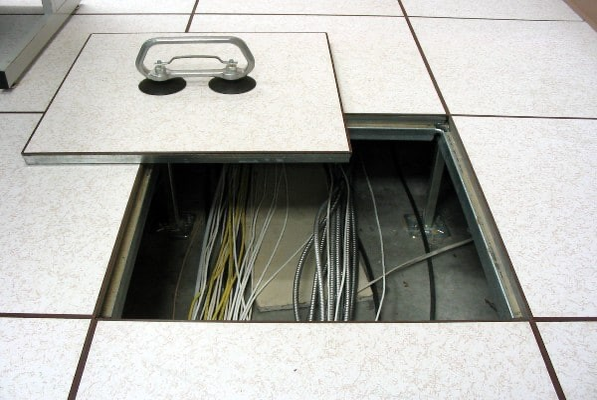
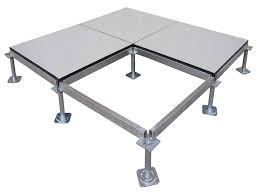
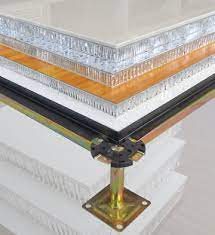
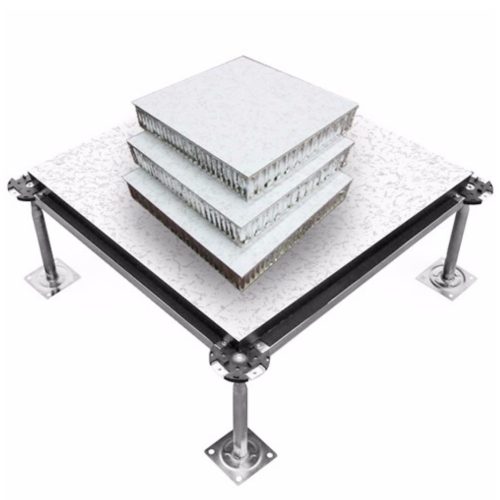
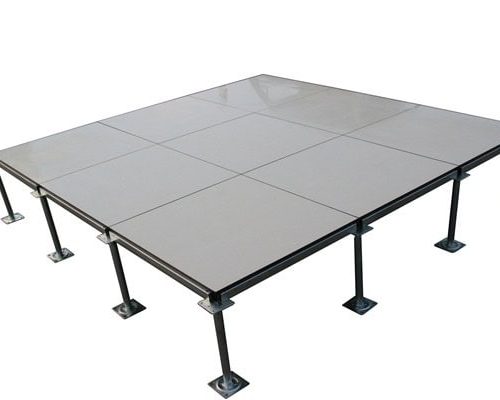
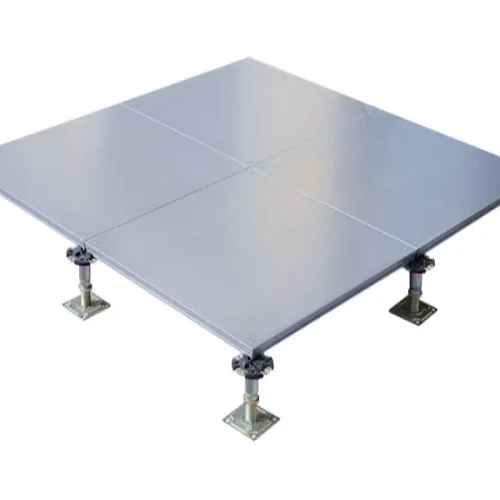
Raised access floors (RAF) are elevated structural floor systems that create a hidden void, or plenum, between the floor and the structural slab beneath. While traditionally essential for cooling and cable management in data centers, they are evolving to meet modern demands for sustainability, flexibility, and intelligent building integration.
1. Key Modern Trends and Innovations
The market for data center raised floors is valued at over $1.1 billion and is projected for robust growth (CAGR of ~7.3% through 2033), driven by cloud computing and edge deployment.
| Trend | Description | Application |
|---|---|---|
| Modularity & Prefabrication | Systems are increasingly designed for fast installation and reconfiguration. Modular, “plug-and-play” components minimize on-site labor and accelerate deployment. | Data Centers, Commercial Offices |
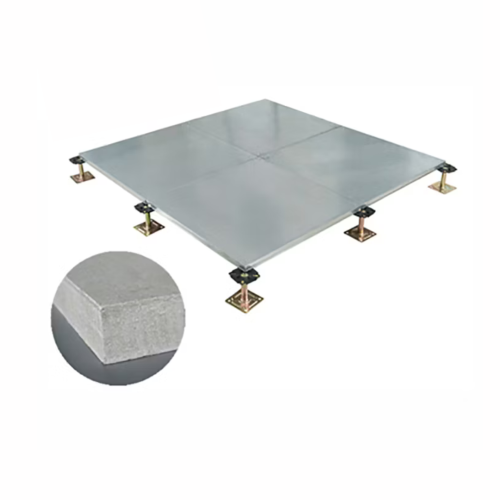
| Sustainability Focus | Growing adoption of eco-friendly materials like Calcium Sulphate and recycled steel. The focus is on reducing embodied carbon and improving energy efficiency. | All Sectors |
| Smart Integration | Embedding sensors into floor panels to monitor critical metrics like temperature, airflow, and load capacity in real-time. This supports predictive maintenance and optimization. | Data Centers, Control Rooms |
| Advanced Airflow Panels | Perforated tiles are moving beyond basic holes. New panels feature directional fins and integrated flow regulators to precisely deliver conditioned air to high-density racks. | High-Density Data Centers |
| Low-Profile Systems | Systems as low as 2–3 inches are used in general office and light-tech spaces where extensive air distribution isn’t needed, focusing solely on simple cable and utility management. | Office Spaces, Retail |
2. Advantages and Continued Importance
Raised floors remain a preferred solution in environments requiring high flexibility and precise environmental control:
- Optimized Cooling (UFAD): The underfloor plenum enables Underfloor Air Distribution (UFAD), allowing cool air to be distributed directly through perforated tiles to hot aisles, significantly improving energy efficiency and thermal control.
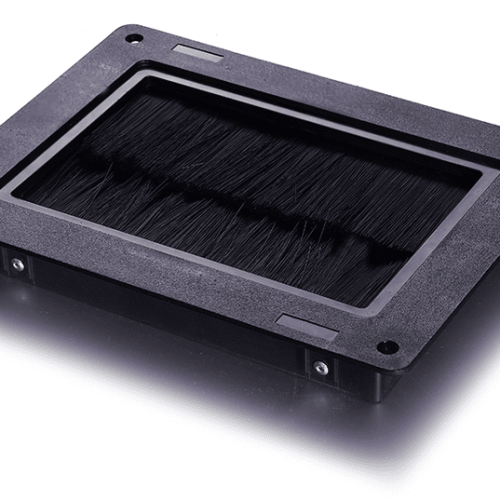
- Enhanced Cable and Utility Management: They provide a hidden, accessible space for routing power, data cables (fiber/high-bandwidth Ethernet), and even chilled water piping, eliminating trip hazards and simplifying maintenance.
- Flexibility and Scalability: The modular design allows for easy re-arranging of server racks, office furniture, or cooling infrastructure without costly, disruptive construction.
- Acoustic & Aesthetic Value: They conceal unsightly infrastructure and, through material choice, can offer sound absorption and improved acoustics in open-plan offices.
3. Disadvantages and Challenges
Despite innovations, raised floors present specific drawbacks that must be managed:
- High Initial Cost: Installation is significantly higher than traditional slab flooring, requiring specialized expertise and materials.
- Weight Limitations: High-density equipment racks can exceed the load capacity of standard panels, requiring costly heavy-duty or concrete-filled panels and specialized structural reinforcement.
- Maintenance: The underfloor plenum can accumulate dust and debris, requiring regular cleaning to maintain air quality. Air leakage and thermal decay can also occur if gaps or panel misalignments are present, reducing cooling efficiency.
- Seismic Difficulty: Raised floor systems can increase the complexity and cost of achieving proper seismic ratings for the building structure.
-
Height Constraint: They reduce the effective ceiling height of the space, a concern in buildings with limited vertical clearance.